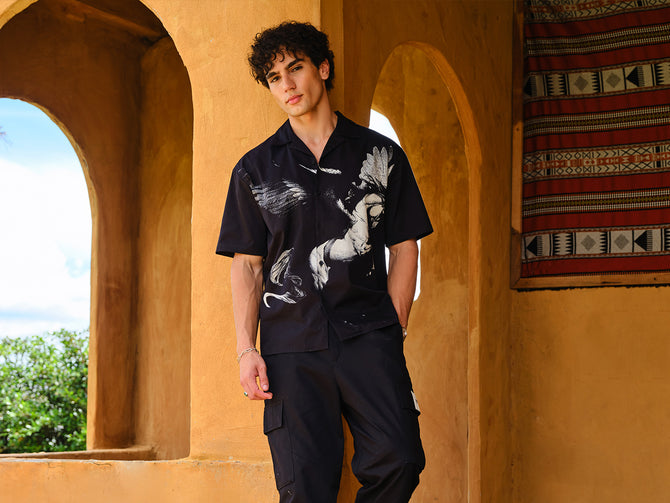



Be honest, when you think about fashion pieces that refuse to stay buried, what comes to mind? Baggy denim. Loud logos. Low-rise silhouettes everyone swore would never return. And somewhere in between all that noise, quietly holding its ground, there’s polo style. Not flashy. Not ironic. Just present. At different points, polo shirts were unavoidable. At other times, they were dismissed as awkwardly preppy or painfully uncool. Yet every time fashion resets, the polo reappears, changed just enough to feel right again.
That’s the difference between a trend and a constant. Polo fashion doesn’t rely on shock or novelty. It survives because it solves a problem most clothes don’t: how to look intentional without looking dressed up. In 2026, as Gen Z and millennials move away from extremes and toward clothes that actually work in daily life, polo style isn’t making a comeback. It’s simply reclaiming its place.
What’s a Polo Shirt, Really? and Why It Works
Before talking evolution, it’s important to strip the polo back to its fundamentals. Whats a polo shirt?

A polo shirt is a knit garment defined by three elements: a collar, a short button placket, and a soft, structured body. On paper, it sounds simple. In practice, it’s one of the most carefully balanced pieces in menswear, which is why polo shirts for men continue to outlast trend-driven tops.
The Polo Shirt Features That Matter
The most important polo shirt features haven’t changed much over decades:
-
The collar, which instantly sharpens the upper body and frames the face
-
The button placket, which lets the wearer control how relaxed or polished the look feels
-
The knit fabric, which allows movement, breathability, and natural drape
These details explain why polos don’t fall neatly into “casual” or “formal.” They sit between both, and that middle ground is where polo style lives.
T shirt vs Polo shirt: Why Polos Feel More Intentional
The t shirt vs polo shirt comparison isn’t about comfort. It’s about presence. A T-shirt disappears into an outfit. A polo anchors it. Even when styled simply, a polo communicates choice. That small shift in intention is why polo fashion feels elevated without feeling forced.
The History of the Polo Shirt: Function Before Fashion
The history of the polo shirt explains why it has never needed reinvention.
Polos originated as sportswear, designed for athletes who needed freedom of movement without sacrificing neatness. Early versions were worn tucked in, buttoned up, and paired with structured trousers. The goal wasn’t self-expression, it was performance and order.
As the shirt moved off the court and into everyday wardrobes, men didn’t adopt it because it was fashionable. They adopted it because it was practical. It breathed better than shirts, looked sharper than tees, and worked across situations.
That’s why asking who made polo shirts popular misses the point. No single brand or celebrity created polo fashion. It spread because people kept choosing it. Over and over.
How Polo Style Evolved - Decade by Decade
This is where the story becomes interesting. Polo style didn’t stay the same, it evolved carefully, responding to how men actually dressed.
Early Decades: Discipline And Uniformity
In its early life, polo style was rigid. Polos were worn tucked, fits were clean, and styling rules were strict. This era treated the polo almost like a uniform. There was a “right” way to wear it, and deviation was rare.
Mid-Century: Casual Confidence Enters
As dress codes relaxed, polos followed. Men started wearing polos untucked, pairing them with denim and casual trousers. Colors expanded. The polo stopped being something you wore correctly and became something you wore comfortably. This marked the polo’s first major shift: from formality to lifestyle.
The 2000s: Overexposure And Backlash
By the early 2000s, polo shirts were everywhere. Slim fits dominated. Logos grew louder. Polos were layered aggressively and styled sharply. Culturally, this period cemented the polo’s visibility, but also triggered fatigue. Overexposure made polo fashion feel excessive, even tacky.
This era is important because it shows that polos didn’t fail, they were simply pushed too far.
2010s To Now: Reset And Refinement

The post-2010 reset stripped polos back down. Logos softened. Fits loosened. Attention shifted to fabric and silhouette. In 2026, polo style sits in its most balanced form yet: relaxed but structured, intentional but wearable.
Long-sleeve polos have returned. Textured knits matter. Heavier fabrics replace flimsy ones. Polos like the Beige Knit Textured Polo T-shirt reflect this shift perfectly, offering depth without excess. Polos are worn untucked, layered lightly, or paired with relaxed tailoring. The aesthetic has changed, but the appeal hasn’t.
What Never Changed About Polo Style
Here’s the real reason polo fashion remains timeless: the core formula never broke.
Across decades, these things stayed consistent:
-
The collar continues to add structure
-
The silhouette still bridges casual and polished
-
The polo still adapts to context better than most tops
This is why polo style doesn’t rely on revival cycles. It adjusts quietly while trends burn themselves out around it.
Are Polo Shirts Fashionable Today, or Just Logical?
People keep asking:
-
are polo shirts fashionable
-
are polos in style
-
are polo shirts in style
-
polo shirt trend
But those questions assume polos need permission to exist. They don’t.
“A renewed interest in polos as the classic style gets a rethink through celebrity and styling culture.
— Vogue, 2025
In 2026, fashion is shifting toward repeat wear, versatility, and longevity. In that environment, polo style doesn’t need hype. It fits naturally. Not because it’s trending, but because it works.
How to Wear a Polo Shirt Today Without Losing Its Point
When people search how to wear a polo or how to wear a polo shirt, what they’re really asking is how to wear it now, without falling into old stereotypes or overcorrecting into trend cosplay.
The mistake most people make with polo style is treating it like a statement piece. It isn’t. A polo is a framing device. It sets the tone of an outfit without demanding attention. When worn well, it feels natural. When worn poorly, it feels forced.
Fit Is The Foundation Of Modern Polo Style
No amount of styling fixes bad fit. In 2026, good polo fit looks like this:
-
Shoulder seams sit exactly where they should
-
Sleeves are relaxed, not squeezing the arm
-
The body skims without clinging
Overly tight polos belong to a specific past era. Overly oversized polos lose the structure that makes polo fashion work in the first place. The sweet spot is balance.
Buttons, Posture, And Intent
Buttons matter more than people think. One or two open buttons signals ease. Fully buttoned signals intention. Neither is sometimes better, context decides. Polos also respond to posture more than T-shirts do. Slouching ruins the silhouette. Standing clean makes the same polo look sharper.
That’s the quiet power of polo style, it reflects how you carry yourself.
Outfits With Polo Shirts: What to Wear With a Polo (That Actually Works)
This is where polo shirt styling needs to move beyond surface-level advice. Not every combination works equally well, and understanding why matters.
Polo T Shirt with Jeans: The Everyday Standard

The polo t shirt with jeans combination works because it balances structure and ease. Relaxed or Straight Fit Jeans for men complement the polo’s shape. Skinny jeans exaggerate the torso. Oversized denim can drown it.
This pairing explains why guys in polos often look effortlessly put together. There’s no excess. Just balance.
Polo Shirt and Trousers: The Quiet Upgrade

A polo shirt and trousers pairing changes the entire tone of the outfit. Tailored trousers sharpen the polo. Relaxed men's tailored trousers modernise it. Both work when the fabric quality holds up.
This combination shows why polo style survives dress-code shifts. It adapts upward without pretending to be formalwear.
Can You Wear A Polo With Dress Pants?

Yes, and confidently. The question can you wear a polo with dress pants comes down to restraint. Choose:
-
Heavier knit polos
-
Neutral or dark colours
-
Minimal branding
When done right, the result is modern smart casual, not a compromise.
Reliable men’s polo shirt outfit formulas
These men’s polo shirt outfit formulas repeat because they’re logical:
-
Polo + straight jeans + clean sneakers
-
Polo + tailored trousers + loafers
-
Long-sleeve polo + relaxed trousers + boots
These combinations don’t chase trends. They work because the proportions make sense.
How to Style a Polo Shirt for Different Settings
Understanding how to style a polo shirt isn’t about variety, it’s about context.
Casual Environments
Lightweight polos, open buttons, denim or chinos. The goal here is ease. Let the polo do just enough.
Elevated Casual Settings
This is where polo fashion shines. Darker tones, textured knits, trousers instead of denim. The outfit reads intentional without effort.
How To Style Polos For Business Casual Office Wear
For how to style polos for business casual office settings, think of a polo as a softened shirt:
-
Solid colours only
-
Clean collars
-
Structured bottoms
A polo allows professionalism without stiffness, something modern offices increasingly value.
How to Dress a Polo Shirt Up Without Killing Its Appeal
People searching how to dress a polo shirt or how to dress up a polo often overdo it. The strength of polo style is restraint.

The formula is simple:
-
Choose neutral or darker shades
-
Pair with structured trousers
-
Add one clean layer if necessary
Avoid piling on accessories. Let the silhouette speak. Polo fashion looks best when it isn’t trying to prove anything.
Layering Polo Shirts: The Modern Approach
Layering polo shirts requires discipline. The collar must stay visible. The silhouette must stay clean.
Good layering options include:
-
Polo under a Men's lightweight jacket
-
Polo with an overshirt
-
Long-sleeve polo worn on its own
How To Style Long Sleeve Polo
To style long sleeve polo, contrast is essential. Pair it with lighter trousers or textured layers. All-black works too, but only when fabrics differ enough to add depth.
This look feels modern in 2026 because it’s subtle, not loud.
Men’s Polo Style Shirts vs Other Casual Tops
Understanding men’s polo style shirts in context helps explain their longevity.
Compared to other staples:
-
More structure than a T-shirt
-
Less rigidity than a button-down
-
More polish than a sweatshirt
This is why stylish polo t-shirts succeed when they focus on fabric, fit, and collar quality, not graphics or hype.
Why Polo Style Has Lasted This Long
The reason polo style remains timeless isn’t because it avoids change. It’s because it absorbs change selectively.
Across decades, polo fashion adjusted:
-
Fit changed
-
Fabric evolved
-
Styling loosened
But the core stayed intact. Polo never stopped being a bridge between casual and polished. That’s why it survives when other trends collapse under their own excess.
Conclusion: Why Polo Style Still Belongs in Modern Wardrobes
If there’s one thing this journey through polo style makes clear, it’s this: polos didn’t survive by standing still. They survived by changing just enough. From their early days as performance wear, to their overexposed moment in the 2000s, to the quieter, more intentional way they’re worn today, polo fashion has mirrored how men actually dress. Not how trends say they should dress, but how life demands they dress.
What stayed consistent wasn’t the fit, the fabric, or even the way polos were styled. What stayed consistent was the role they played. A polo has always been the answer to the same question: How do I look put together without feeling overdressed? That question hasn’t changed across decades, generations, or aesthetics. And that’s exactly why polo style still works today.
In 2026, wardrobes are less about extremes and more about balance. Gen Z and millennials aren’t dressing for labels or rigid rules, they’re dressing for repeat wear, comfort, and confidence. Polos fit into that mindset naturally. They’re adaptable enough to move between casual, elevated, and work settings. They’re structured enough to feel intentional. And they’re simple enough to outlast trends built on novelty.
That’s what makes polo fashion timeless. Not nostalgia. Not revival cycles. Just relevance.
Why Bonkers Corner Read the Moment Right
At Bonkers Corner, this understanding of polo style isn’t accidental, it’s intentional. We’ve always believed that iconic pieces aren’t loud; they’re reliable. When we looked at how people actually dress today, it was clear that polos were no longer about being preppy. They were about ease, silhouette, and everyday wearability.
Our polos are built around that idea. Clean fits that don’t cling. Fabrics that hold shape but feel comfortable all day. Styles that work whether you’re pairing them with jeans, trousers, or layering them into your daily rotation. We didn’t chase a polo trend, we leaned into what made polos timeless in the first place.
Because great style doesn’t need reinvention every season. It needs understanding.
That’s why Bonkers Corner polos feel iconic. Not because they try to stand out, but because they fit seamlessly into modern wardrobes, just like polos always have.
And that’s the real takeaway here. Polo fashion changed. Polo style remained.
FAQs
Are polo shirts fashionable in 2026?
Yes. Polo shirts are fashionable in 2026 because they balance comfort and structure, making them easy to wear across casual, smart casual, and work settings.
Are polos still in style for men?
Polos are still in style for men because they adapt to modern fits and fabrics while keeping the same clean, versatile silhouette.
How do you wear a polo shirt without looking outdated?
Choose a well-fitted polo, avoid overly tight cuts, and pair it with jeans or trousers that suit your body type and setting.
What should you wear with a polo shirt?
You can wear a polo shirt with jeans for casual looks, trousers for elevated outfits, or dress pants for smart casual settings.
Can you wear a polo with dress pants?
Yes. You can wear a polo with dress pants if the polo has a clean collar, good fabric structure, and minimal branding.
How do you style a polo shirt for business casual offices?
For business casual offices, style a polo shirt with solid colors, tailored trousers or chinos, and clean footwear.
What is the difference between a T-shirt and a polo shirt?
The difference between a T-shirt and a polo shirt is structure. Polos have collars and buttons, making them more polished than basic tees.
Why is polo fashion considered timeless?
Polo fashion is considered timeless because it evolves with fit and fabric while keeping the same versatile and functional design.

